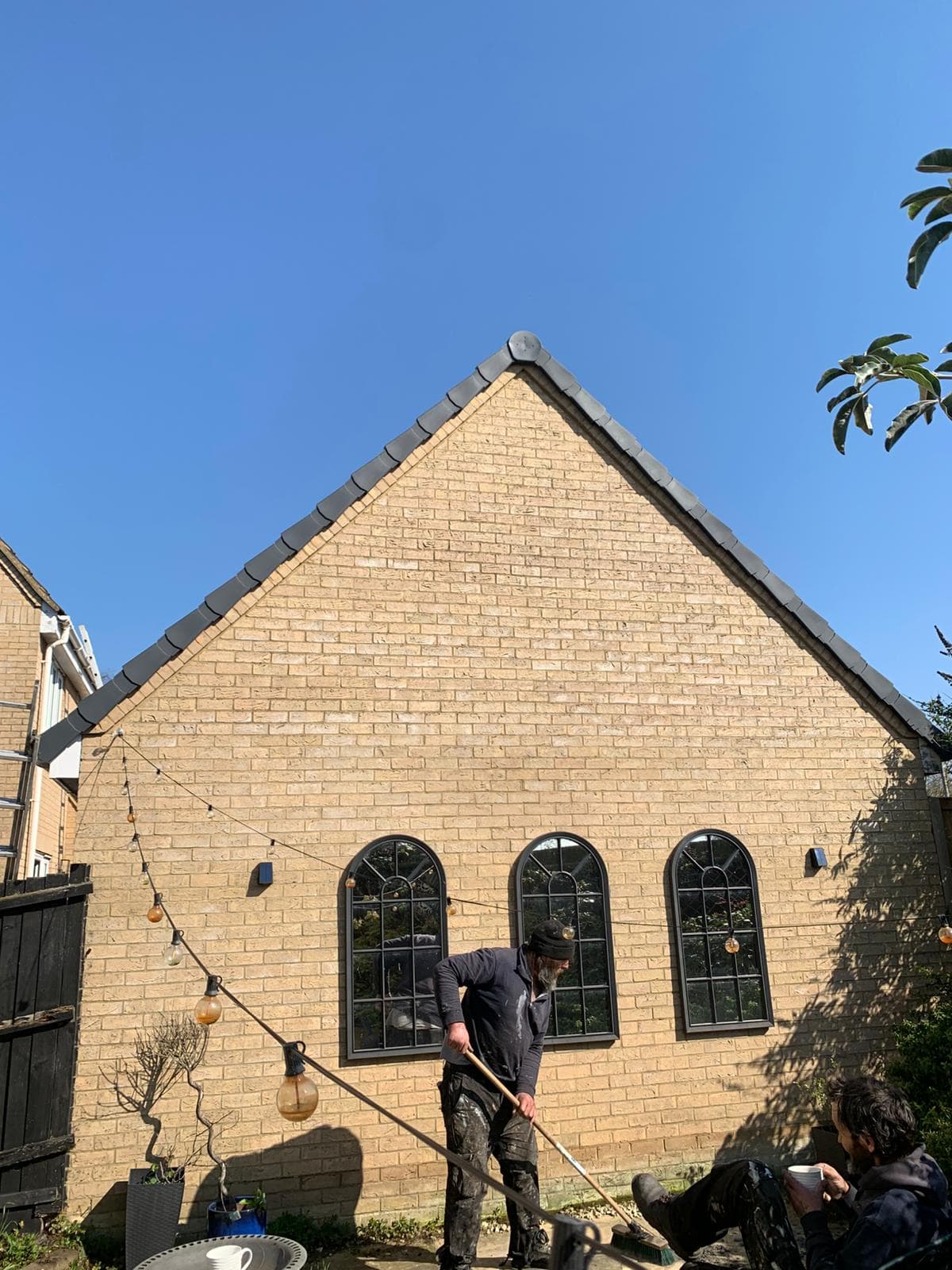
Ground Levelling & Compaction
Even, stable ground that won't settle under your build.
Ground levelling makes a site even to the design height; compaction densifies the soil so it can carry load without later settlement. Done properly, the ground becomes a stable platform for foundations, slabs and paving. Done poorly, you get sinking floors, cracked walls and pooling water.
Common Damage
1. Settlement & Subsidence
- Soil compresses under load, causing buildings to sink unevenly
- Cracks in foundations, slabs and pavements
- Voids forming where air gaps were left in fill
2. Drainage & Erosion
- Water pooling on uneven surfaces
- Topsoil eroding when not properly compacted
- Slope failure or landslide on embankments
3. Surface Defects
- Sunken areas, depressions or tilting structures
- Cracks in walls, roads or slabs above poorly compacted fill
- Standing water and damp issues
Repairs
minor Repairs
- Regrade surface to improve drainage falls
- Recompact loose surface soil
- Fill low spots with compacted material
moderate Repairs
- Soil stabilisation with lime, cement or geotextiles
- Vibro-compaction for deeper densification
- Compaction grouting to fill voids
major Repairs
- Excavate and replace poor soil with engineered fill
- Underpin foundations affected by settlement
- Install retaining walls or geogrids on failing slopes
New Installation
When Replacement Is Needed
- Before any new build, slab or paving works
- On made-up or previously developed ground
- Sloping sites needing cut and fill
- Where existing levels don't suit new design
Installation Steps
Site Investigation & Stripping
- Soil testing for type, moisture and strength
- Strip vegetation and unsuitable topsoil
- Set out finished levels and falls
Cut & Fill
- Cut high areas and place soil in low areas
- Match cut and fill quantities where possible
- Stockpile reusable topsoil for landscaping
Layered Filling & Compaction
- Place fill in 150–300mm layers
- Compact each layer with rollers or plate compactors
- Maintain optimum moisture content for compaction
Testing & Drainage
- Field density tests (Proctor) to confirm 90–95% MDD
- Ensure correct slope for surface drainage
- Hand over level, certified platform for next trade
Lifespan
- Compacted Engineered Fill
- Permanent if correctly placed
- Stabilised Soil
- Decades with proper drainage
- Geotextile Reinforcement
- 60+ years
- Retaining Structures
- 60–100+ years
Warning Signs
- Standing water on supposedly level ground
- Sunken patches in patios or driveways
- Cracks in slabs above newer fill
- Tilting fences, walls or outbuildings
- Soft spots when walking across the site
Other Construction Services
Concrete Works
From foundations to slabs — concrete designed, placed and cured properly.
Steel Framework
Strong, fast structural steel — fabricated, erected and protected.
Timber Framing
Warm, flexible timber structures — kept dry, treated and well-ventilated.
Load-Bearing Walls
Brick, block and stone walls that carry the building safely to the foundation.
Columns & Beams
Vertical and horizontal members carrying loads through the structure.
Floor Structures
Solid, suspended and composite floors built to take the load.
Need Help With Ground Levelling & Compaction?
Get in touch for a free, no-obligation quote. We'll survey the job and talk you through the options.
Get Your Free Quote